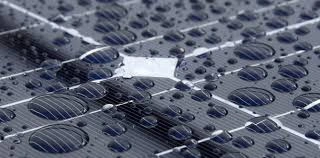
It is a common misconception that rainwater will wash your solar panels clean. In reality, relying solely on Perth's seasonal downpours can actually decrease your system's efficiency over time.
3 Reasons Rain Fails to Clean
While a heavy storm might clear away loose dust, it creates several new problems for your solar cells:
Atmospheric Pollution Streaks
Rainwater isn't pure; it carries dust, pollen, and pollutants from the air. As the water evaporates off your hot solar glass, these contaminants settle, creating "muddy" streaks that block sunlight more effectively than dry dust alone.
The "Sticky" Contaminant Problem
Rain is completely ineffective at removing bird droppings, tree sap, or coastal salt spray. These substances are sticky and require mechanical agitation (soft brushing) to lift from the anti-reflective coating safely.
The "Mud-Dam" Effect
On panels with a low tilt, water pools at the bottom edge. This creates a thick "mud-dam" of silt. This dam shades the bottom row of cells, which can bottleneck the power production of the entire string.
Don't Wait for the Next Storm
Professional cleaning uses deionised water that dries 100% spot-free, unlike mineral-heavy rainwater. Ensure your system is ready to harvest maximum energy regardless of the weather.